

Want to join an act of memory, or make one of your own? This guidance builds on what Monica Ross developed through Anniversary – an act of memory and keeps that invitation open to new voices today. Join an upcoming act and be part of Robert's 80.
Anniversary – an act of memory began as 60 recitations by Monica Ross and co-recitors. Now Robert Ayers, the Monica Ross Archive, and friends are inviting people to join Robert's 80 for the 80th anniversary of the Universal Declaration of Human Rights in 2028, or create their own act of memory in whatever way feels right for them, their group, or their community.
Anniversary – an act of memory began as 60 recitations by Monica Ross and co-recitors. Now Robert Ayers, the Monica Ross Archive, and friends are inviting people to join Robert's 80 for the 80th anniversary of the Universal Declaration of Human Rights in 2028, or create their own act of memory in whatever way feels right for them, their group, or their community.
The North London Degree Show Festival at Middlesex University London presents
Anniversary – an act of memory
2.00–3.00pm, 8 July 2026 · 1st floor entrance, The Grove, Middlesex University London
A performance work conceived and originally performed by Monica Ross, continued by the Monica Ross Archive and Robert Ayers. In this collective recitation led by Robert Ayers, Middlesex staff and students are invited to choose an article to memorise and recite in a language of their choice.
Anniversary: Acts of Memory continues to be performed after Monica Ross's death, and marks the 80th anniversary of the Universal Declaration of Human Rights in 2028. You may attend as either a co-recitor or an audience member. No RSVP required. More details on how to be a co-recitor are available on Considering Co-reciting. Please email Alexandra Kokoli with any questions: A.Kokoli@mdx.ac.uk.
Request resources Hold a recitation
Schools, community groups, organisations, and individuals are all welcome. You can join Robert's 80, support an existing act, or make your own.
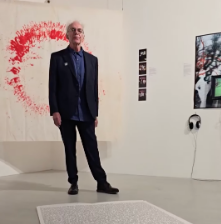
You can find translations of the Declaration in many languages and formats here. Your approach to reading the Declaration is unique. Your experience of reading it may raise many questions and emotions.
Perhaps there are ways you would like to amend, update, or translate it. This is the important work of engaging your civic scrutiny of the Declaration that Anniversary – an act of memory sets out to support.
“I went to read the Declaration for the first time, and I got one sentence in and I was so shocked at my own complacency — one, that I had never read it; two, that I assumed that I knew what it said, but I didn’t; and also that I had this very privileged, Western relationship to the document, which was ‘well, we don’t really need it, everything’s fine here’.”
“I decided that I would try and learn it off by heart to see if I could make it part of me and then the second step was to try and recite it publicly, to do a public action where you repeat it as a form of dissemination or reproduction.”
— Monica Ross
Choose an article that speaks to you. You can choose as many or as few as you like and, if you want to, you can share an article to recite together.
You could try repeatedly writing out your article, singing it, reading it aloud while walking, dancing, or whatever works for you.
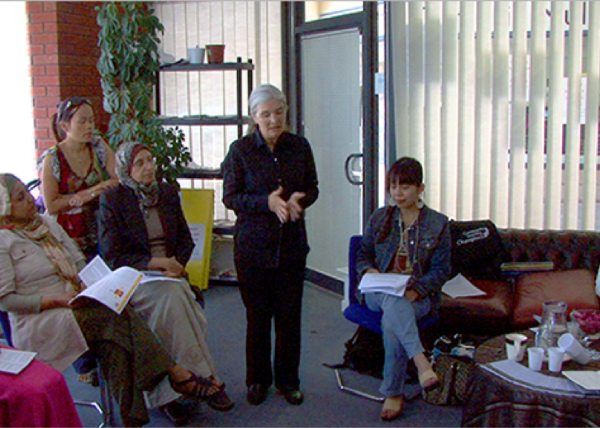
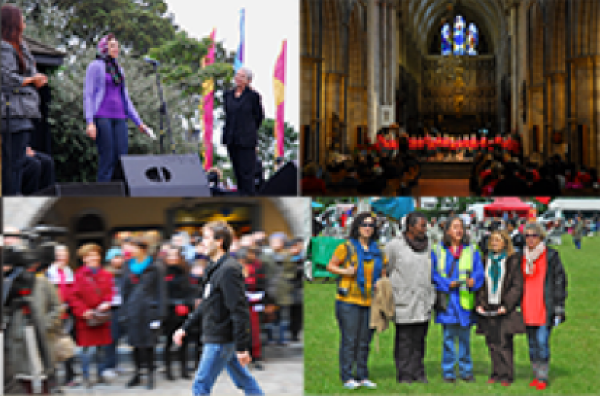
You will be welcomed by Robert Ayers, who will be leading the recitation. You are invited to add your name, article, and language to the article list if you wish, but you don’t have to.
You’ll meet your fellow co-recitors and decide together what order you’ll take your shared articles in.
The recitation will be filmed and photos may be taken on the day. You can choose any of the following options:
When everyone is ready Robert will say the article number and pause. When you hear your article you may step forwards and recite.
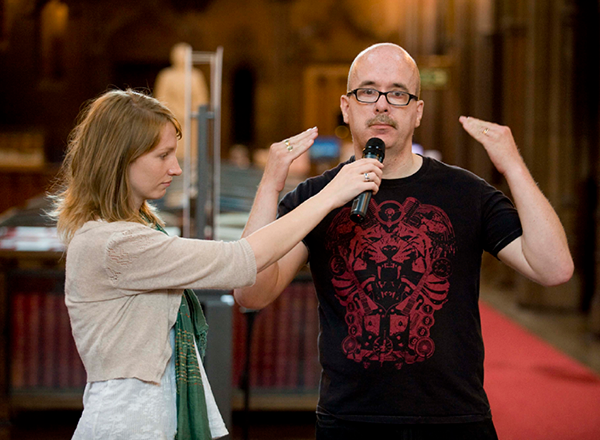

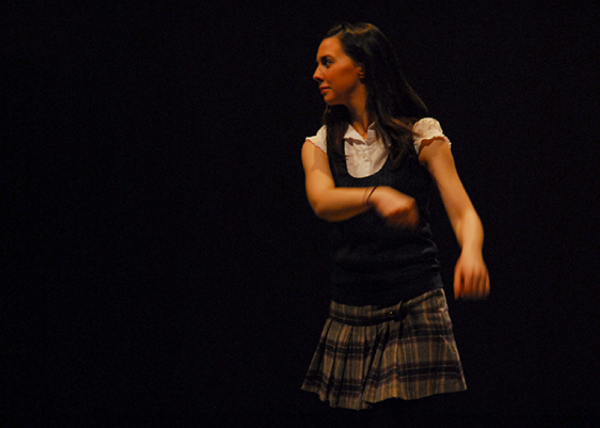
The most important part is just after the recitation when refreshments are served and there’s time to share the experience of co-reciting together.
If you can’t make it on the day or you decide not to recite you’ve still been part of this important work by reading and reflecting on the UDHR.
Get in touch for resources to hold your own act of memory: info@monicarossarchive.org.
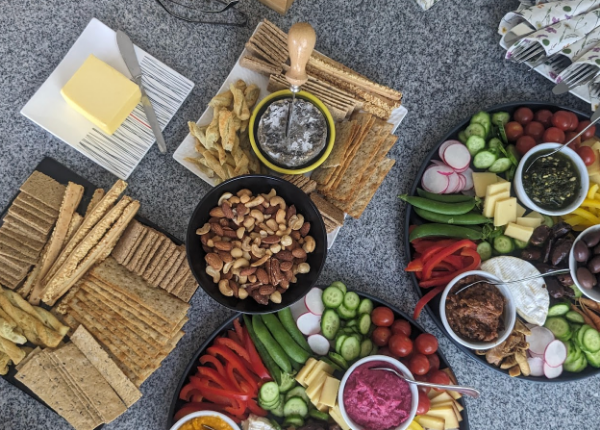
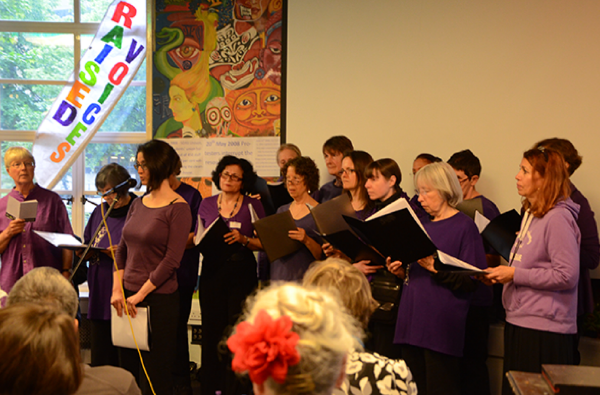
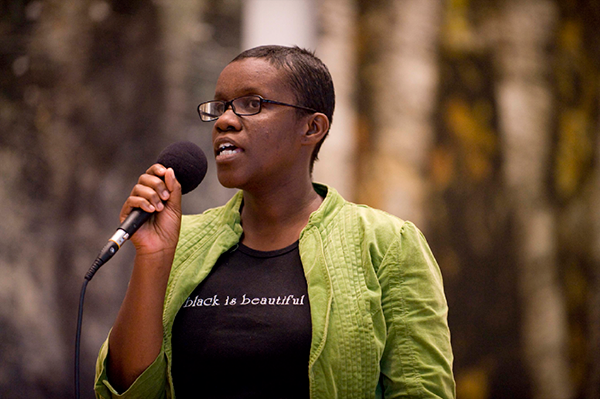
Questions or ideas? Email info@monicarossarchive.org so we can help you plan, document, and share your act of memory.
Return to the full Anniversary – an act of memory archive for the timeline, films, and previous acts.